When it comes to promotional products and custom apparel, the decoration method you choose is just as important as the product itself. The right technique impacts how your logo looks, how long it lasts, and how your brand is perceived; Whether that’s bold and modern, subtle and premium, or retail-ready.
Below is a breakdown of the some of the most common decoration methods, what they are, and when they work best.
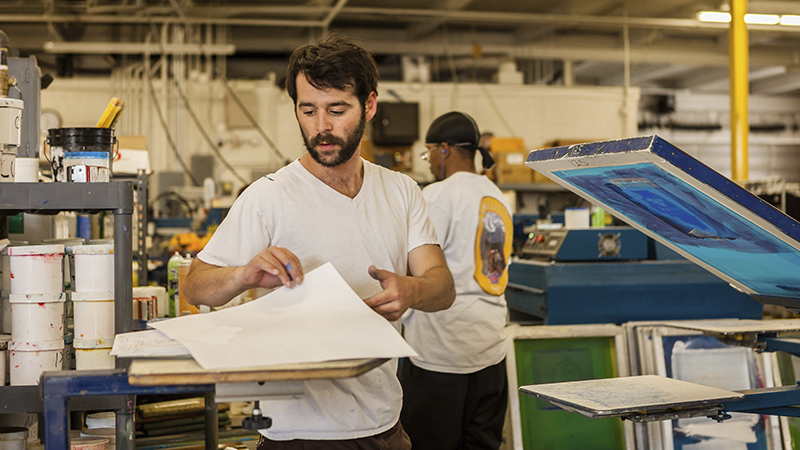
Screen printing applies ink through a mesh screen directly onto the garment. It’s a go-to option for bold, simple logos and high-quantity apparel orders. Works best on apparel
Embroidery stitches your logo directly into the fabric using thread. This method adds texture and durability, making it ideal for hats, polos, jackets, and bags with a polished, professional look.
Laser engraving etches your design into the surface of a product. It’s a clean, durable option that works best on metal, wood, glass, and leather items for a premium finish.
Pad printing transfers ink using a soft pad that conforms to uneven surfaces. This makes it perfect for small logos on curved or hard-to-print items like pens, tech accessories, and drinkware.
Debossing presses your logo into the material, while embossing raises it above the surface. Both techniques create subtle, tone-on-tone branding that works best on leather and soft-touch materials.
DTF printing prints your design onto a film, which is then heat-applied to the garment. It’s an excellent choice for full-color logos, fine detail, gradients, photographic designs, small run and large run orders. Works well on apparel, hats and bags.
Embroidered patches are stitched designs, usually on a twill background that are sewn or heat-applied onto products. They offer a classic, textured look and are ideal when you want a traditional, retail look and durable branding option.
Laser patches use a laser to burn your design into a synthetic or leather-style patch. This creates sharp contrast and fine detail, making them a popular choice for modern headwear and bags.
Puff embroidery uses foam beneath the stitching to create a raised, dimensional effect. It’s best suited for bold logos with thick line work and on hats where added depth and visual impact are the goal.
PVC patches are molded from flexible plastic with layered detail. They’re best for modern, dimensional designs that need a bold 3D look and long-lasting durability.
Leather patches are cut or stamped and sewn onto products. They add a premium, heritage inspired feel and work especially well on hats, bags, and lifestyle accessories.
Small, woven thread tags or patches attached to apparel or accessories. Used as clean embellishments or paired with another decoration method They’re best for a retail-style look on apparel and accessories.
Sublimated patches use heat to permanently infuse ink into the material. This allows for full-color, photo-quality designs with smooth finishes and fine detail. Perfect for complex logos with fine details.
Appliqué involves stitching layered fabric pieces onto a garment to form the design. It’s ideal for large, bold graphics that benefit from texture, layering, and a premium sewn-on look.
Every brand and product has different needs. Factors like logo details, material, budget, quantity, and intended use all play a role in choosing the right decoration method. When done right, decoration isn’t just about putting a logo on a product. It’s about creating something people will actually want to wear, use, and keep.